
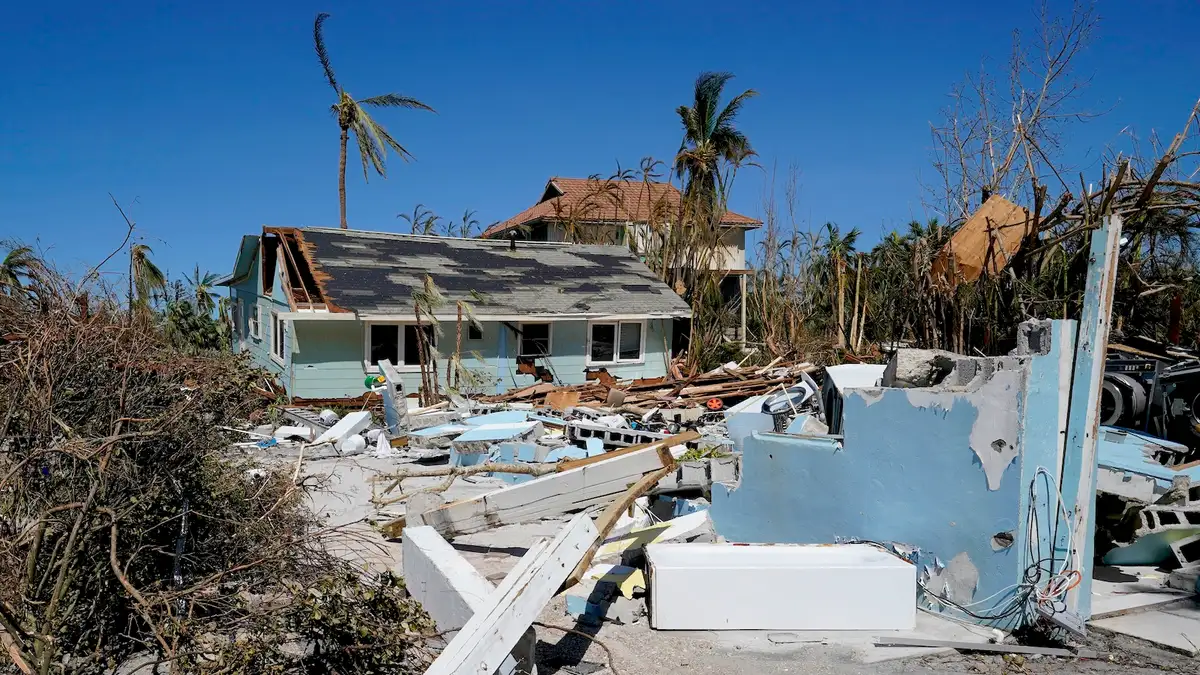
A heat wave does more than make your home uncomfortable. When extreme temperatures continue for several days, the building itself stops getting a chance to cool down.
Roofing absorbs heat, attic temperatures climb, air-conditioning equipment runs almost continuously, and dry soil can begin pulling away from the foundation. Most of this damage develops quietly, which is why the repair bill can feel sudden even though the warning signs were there.
Understanding how prolonged heat affects each part of the house makes it easier to catch small problems before they turn into roof replacement, foundation work, or a complete HVAC breakdown.
Why Long Heat Waves Are Harder on a Home
During a long heat wave, the roof, walls, pavement, and soil store energy because warm nights limit cooling. The EPA notes that longer outdoor heat waves can raise indoor temperatures, especially in buildings with weak cooling or poor insulation.
A 2019 International Journal of Environmental Research and Public Health study monitored 51 older adults in Cambridge during extreme heat. Homes without central air averaged 25.6°C indoors, compared with 23.2°C in centrally cooled buildings.
When cooling becomes unreliable, homeowners searching for hvac repair salt lake city ut can find licensed, same-day service before an issue becomes a major failure.
Important: Heat damage is cumulative. The risk rises when high daytime temperatures are followed by unusually warm nights.
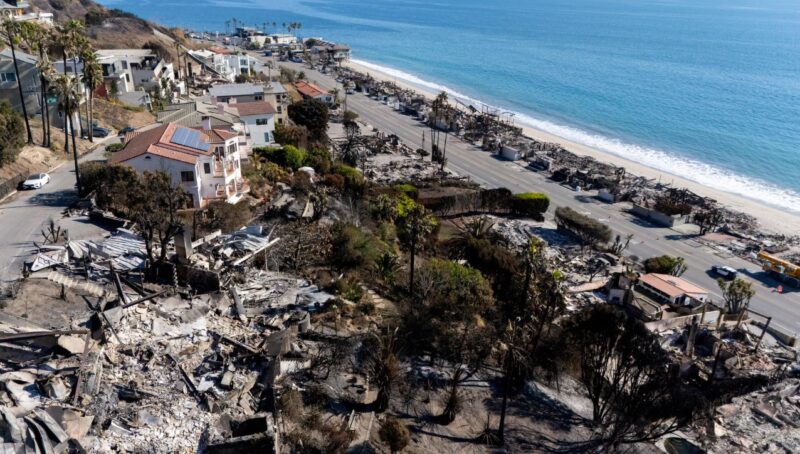
Where Heat Damage Usually Starts
The first problems often appear in the systems that sit between outdoor heat and indoor comfort. Your roof takes the sun directly, the attic stores much of that energy, and the HVAC system has to remove whatever enters the living space. If insulation is thin, ducts leak, or ventilation is blocked, each component makes the next one work harder.
This is why a house may feel fine during the first two days and suddenly struggle on day four. Nothing necessarily failed overnight. Heat gain has become greater than the home’s ability to release or remove it. The longer this continues, the less reserve capacity the house has when afternoon temperatures peak again. That imbalance drives deterioration and higher energy use.
Roof, Attic, and HVAC Problems Can Feed Each Other
The U.S. Department of Energy says roof surfaces in hot climates can exceed 160°F, allowing heat to radiate into the attic and toward the ceiling below. Repeated heating can worsen aging shingles, dry existing sealants, and expose weak flashing around roof vents or chimneys.
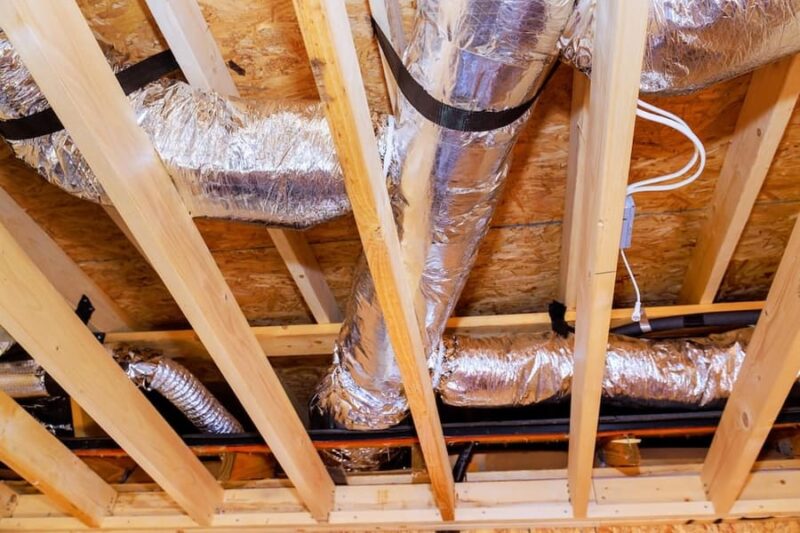
At the same time, an overheated attic raises the cooling load. Dirty filters reduce an air conditioner’s ability to absorb heat, while neglected coils and fins can further weaken performance. Watch for:
- rooms that stay warmer than the thermostat setting;
- an outdoor unit that runs almost constantly;
- new rattling, buzzing, or short cycling.
Did you know? DOE guidance says cool roofs can remain up to 60°F cooler than traditional black roofs in summer.
How Hidden Structural Damage Develops
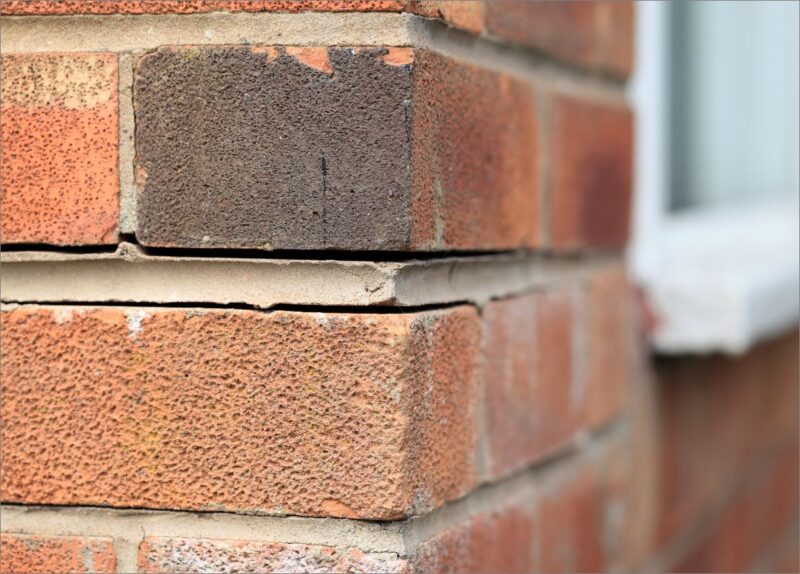
Not every heat-related repair begins above ground right away. Extended hot, dry weather changes moisture levels around the house perimeter, particularly in clay-rich or expansive soils. As soil dries, it can shrink unevenly. One side of a foundation may lose support faster than another, creating differential movement that shows up as cracks, sticking doors, separated trim, or sloping floors.
Heat also tests the building envelope. Window seals, caulked joints, siding connections, and roof-to-wall transitions experience repeated expansion and contraction. These movements are normal within design limits, but older, brittle, or poorly installed materials may open gaps. Once the next storm arrives, those small weaknesses can become water-entry points, turning a summer problem into mold, rot, damaged drywall, or insulation replacement.
Foundation, Envelope, and Interior Warning Signs
A USGS case study published in Clays and Clay Minerals documented expansive-clay movement severe enough to cause foundation failure and warped pavement in a Colorado subdivision. The lesson is not that every crack signals disaster, but that movement patterns matter.
| Area | Early warning sign | Possible repair if ignored |
| Foundation | Stair-step cracks or sticking doors | Structural stabilization |
| Windows | Gaps, failed caulk, fogging | Resealing or replacement |
| Attic | Hot rooms, odors, discolored decking | Ventilation or roof repair |
| Interiors | Warped flooring or separated trim | Moisture and finish restoration |
These signs become more concerning when several appear together or change quickly. NIST guidance emphasizes continuous insulation, effective air barriers, and joints designed for differential movement because thermal defects harm energy use, comfort, and material performance.
How to Reduce the Risk of Expensive Heat Repairs
Inspect before peak summer, monitor during a heat wave, and check again after temperatures fall. Look for changes. A stable crack differs from one that widens over a week.
- Replace or clean HVAC filters and keep the outdoor condenser clear.
- Check attic insulation, soffit vents, roof flashing, and visible sealant.
- Photograph foundation cracks, window gaps, and flooring changes for comparison.
- Use blinds, exterior shading, and reasonable thermostat settings to reduce heat gain.
Do not keep lowering the thermostat when the system cannot reach the set temperature. It will not fix the cause and may keep stressed equipment running. Avoid aggressive foundation watering without local professional advice, since uneven moisture can create additional movement. When warning signs cluster, call the appropriate licensed contractor before cosmetic repairs hide the cause.
Frequently Asked Questions
A few practical questions tend to come up once homeowners begin checking for heat-related damage, especially around insurance, ventilation, and rooftop equipment.
At Last
Long heat waves rarely destroy a well-maintained home in one dramatic moment. They expose weak points and keep pressing on them until something gives. The roof holds more heat, the air conditioner loses recovery time, soil moisture changes, and small envelope gaps widen.
That is how an uncomfortable week can lead to an expensive repair months later. The practical response is simple: watch for changes, maintain cooling equipment, protect the roof and attic, and investigate clusters of warning signs early.
A timely service call or targeted repair is almost always easier to manage than replacing a failed system after the hottest day of the year.