
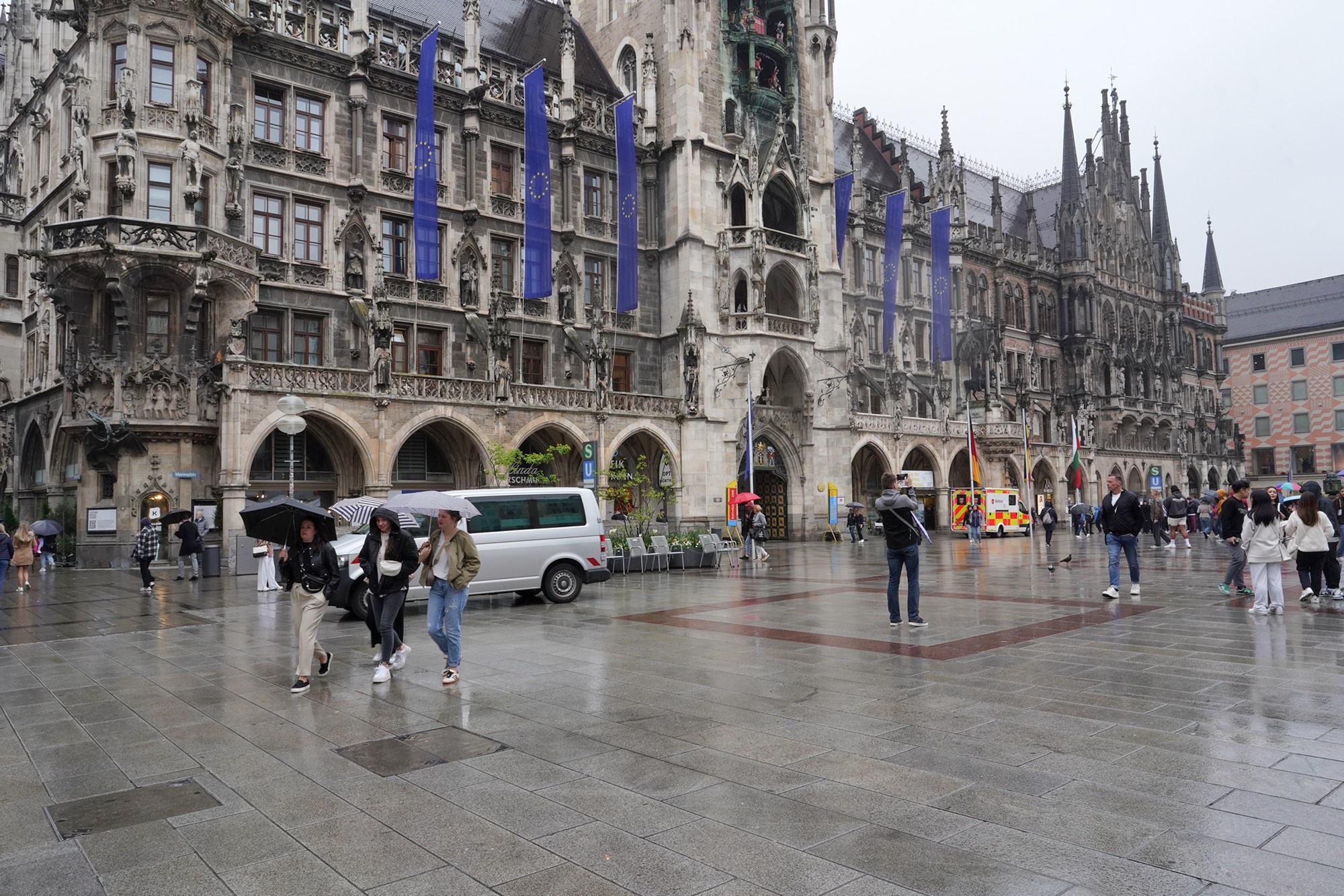
Munich is easy to walk, but not every walk feels the same. Some routes are built for tourists moving quickly between landmarks. Others give you space to notice how the city actually works day to day. If you want good views and a sense of atmosphere, you need to pick your routes carefully. The difference often comes down to timing, direction, and small details like how crowded a path gets or how open the surroundings feel.
This guide focuses on walks that balance scenery with a real sense of place. You will not just see Munich. You will understand how it moves.
Walking Through The Old Town Without Getting Stuck In It
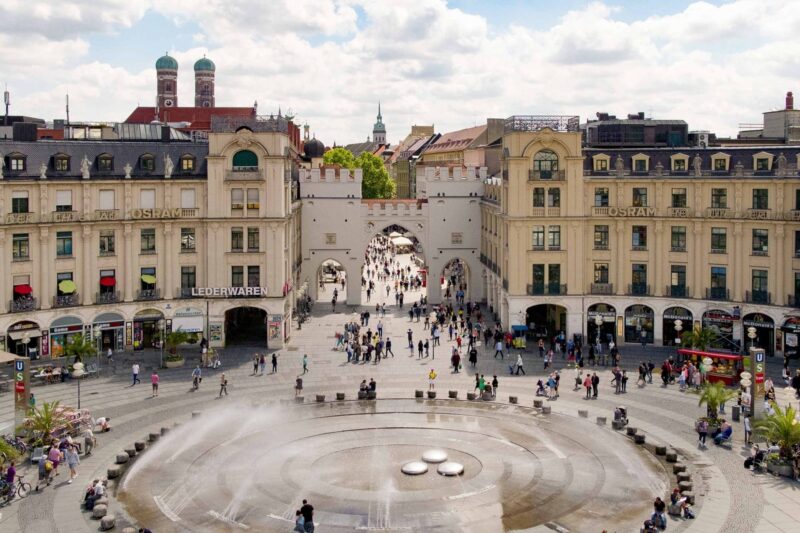
The Old Town is the obvious starting point, but most people stay too long in the busiest sections. Begin early near Marienplatz, then move outward before the crowds build. The streets are narrow, and the buildings are consistent in height, which keeps everything visually compact.
You will notice that:
- The light changes quickly depending on street direction
- Cafés fill up by mid-morning
- Foot traffic becomes slow and uneven
Head toward Sendlinger Tor and then continue west. This shift matters. The density drops slightly, and the atmosphere becomes easier to take in without distraction. You still get historic architecture, but with more room to walk at your own pace.
Some people like to mix structured walking with something more social or personal. If that is part of your trip, you might come across services like Louisa. It fits into a different category of city experience, but it reflects how Munich caters to a wide range of visitors.
The Englischer Garten From North To South
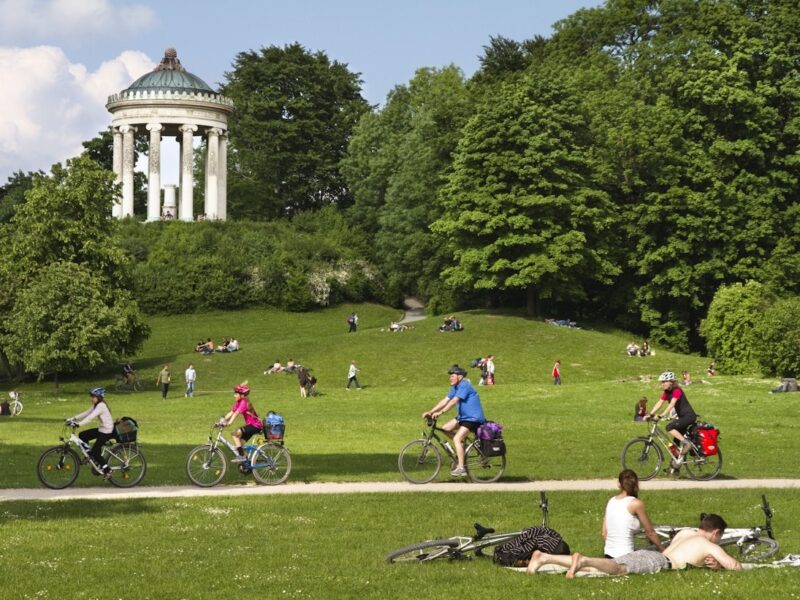
This is one of the most reliable walks in Munich if you want both space and variation. Start from the northern sections if possible. Fewer people begin there, and the environment feels more open.
As you move south, the park gradually changes. The paths become busier, and you start seeing more groups sitting, cycling, or passing through. By the time you reach the Eisbach area, the energy is noticeably higher.
The Englischer Garten is larger than Central Park in New York, which means you can walk for hours without repeating the same scenery.
The key is not to rush. Let the transitions happen naturally. That is where most of the atmosphere comes from.
Walking Along The Isar River
The Isar gives you a different version of Munich. It feels less structured and more local. The riverbanks are wide, and the walking paths are clear but not overly designed.
Here is what stands out:
| Section of the Isar | What You Notice | Best Time |
| Northern stretches | Quiet, fewer people | Morning |
| Central sections | Mix of locals and visitors | Midday |
| Southern areas | Open space, relaxed groups | Late afternoon |
The water level changes depending on the season, which slightly alters the landscape. That keeps the walk from feeling repetitive, even if you return more than once.
Climbing Up To Olympiapark For A Wider View
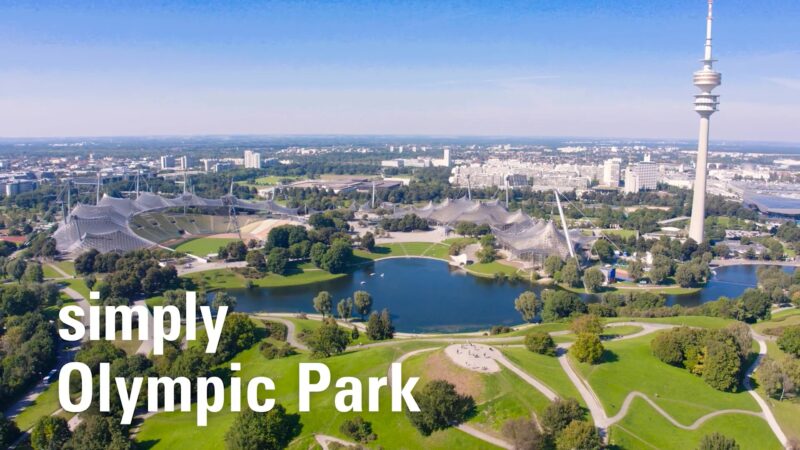
If you want elevation, Olympiapark is the most practical option. The hills are artificial, but the view is real and wide enough to give you a different perspective on the city.
The walk up is not difficult. Paths are paved, and the incline is steady rather than steep. Once at the top, you can see:
- The Olympic Stadium structure
- Large sections of the city skyline
- Clear lines toward the Alps on good weather days
Stay for a while instead of just taking photos. The atmosphere shifts depending on time. Late afternoon is usually the most balanced in terms of light and crowd levels.
Schwabing Streets And Everyday Movement
Schwabing feels more like a place where people live rather than a place designed for visitors. The streets are wider than the Old Town, and the buildings vary more in style.
Walking here gives you small, consistent observations:
- Bookstores and small shops mixed with residential buildings
- Cafés that are busy but not overcrowded
- People moving at a steady, predictable pace
There is no single viewpoint that defines this area. The value comes from continuity. You keep walking, and the environment stays stable enough to notice details without interruption.
Nymphenburg Palace Grounds Without The Interior
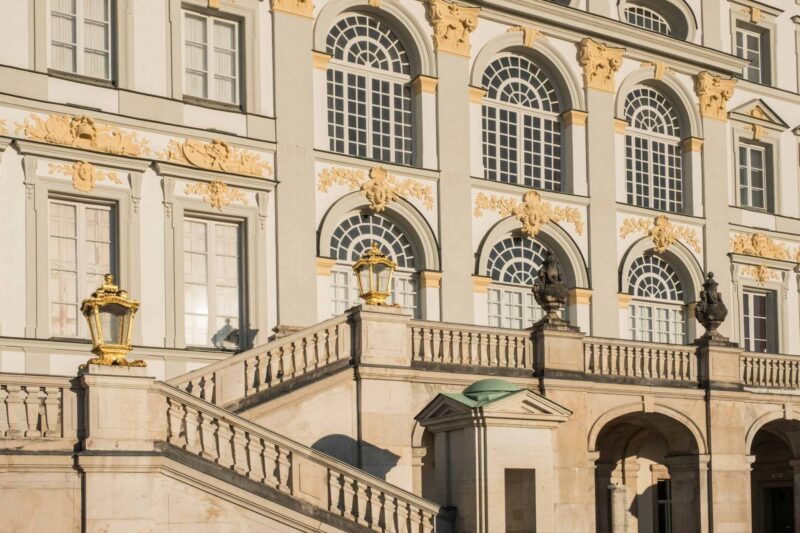
The palace itself is well known, but the real walking value is outside. The grounds extend far beyond the main building, and most visitors do not go deep enough into them.
As you move further out the paths become quieter and the water canals reflect more open sky.
You do not need to enter the palace to get the experience. The atmosphere is shaped more by distance and openness than by interior details. Walking here feels slower, which is useful if the rest of the city starts to feel too dense.
Adjusting Your Walk For Better Atmosphere
The same route can feel completely different depending on when you walk it. Timing is often more important than location.
A few practical adjustments:
- Start earlier than you think you need to
- Avoid peak midday hours in central areas
- Return to the same place at a different time
This approach helps you see how Munich changes across the day. It is not a static city. The atmosphere shifts based on movement, light, and how crowded a space becomes.
Closing Thoughts
Walking in Munich works best when you stop trying to cover everything. Focus on fewer routes and give each one enough time. The city is consistent in its layout, but the details vary enough to keep each walk distinct.
Also read: Spa Breaks and Relaxation in Munich
You will notice that the best views are not always the highest points or the most famous landmarks. They often come from places where the city opens up just enough to give you perspective without losing its structure.
If you move at a steady pace and pay attention to how each area changes, the walks start to feel connected. That is where Munich becomes easier to understand, not just as a place to visit, but as a place that functions in a clear and predictable way.